
Barcodes have a minimum size and quiet zone for a reason: below about 80% of nominal size, scan rates at retail lanes drop noticeably — and the fix costs nothing at the artwork stage.
Most label production delays trace back to artwork, not presses. The good news: nearly every issue is preventable with a ten-minute check before you send files. Here's what prepress teams look for — and what you can verify yourself.
The checklist
- Bleed: extend backgrounds 1/16" (0.0625") past the die line on all sides, so die-cut drift never shows white edges
- Safe zone: keep text and logos 1/16" inside the die line for the same reason
- Dieline on its own layer: as a named spot color, not merged into the art
- Vector where possible: logos and text as vectors (AI, EPS, PDF) stay razor sharp; raster images should be 300 DPI at print size
- Fonts outlined or supplied: missing fonts are the most common file-prep delay
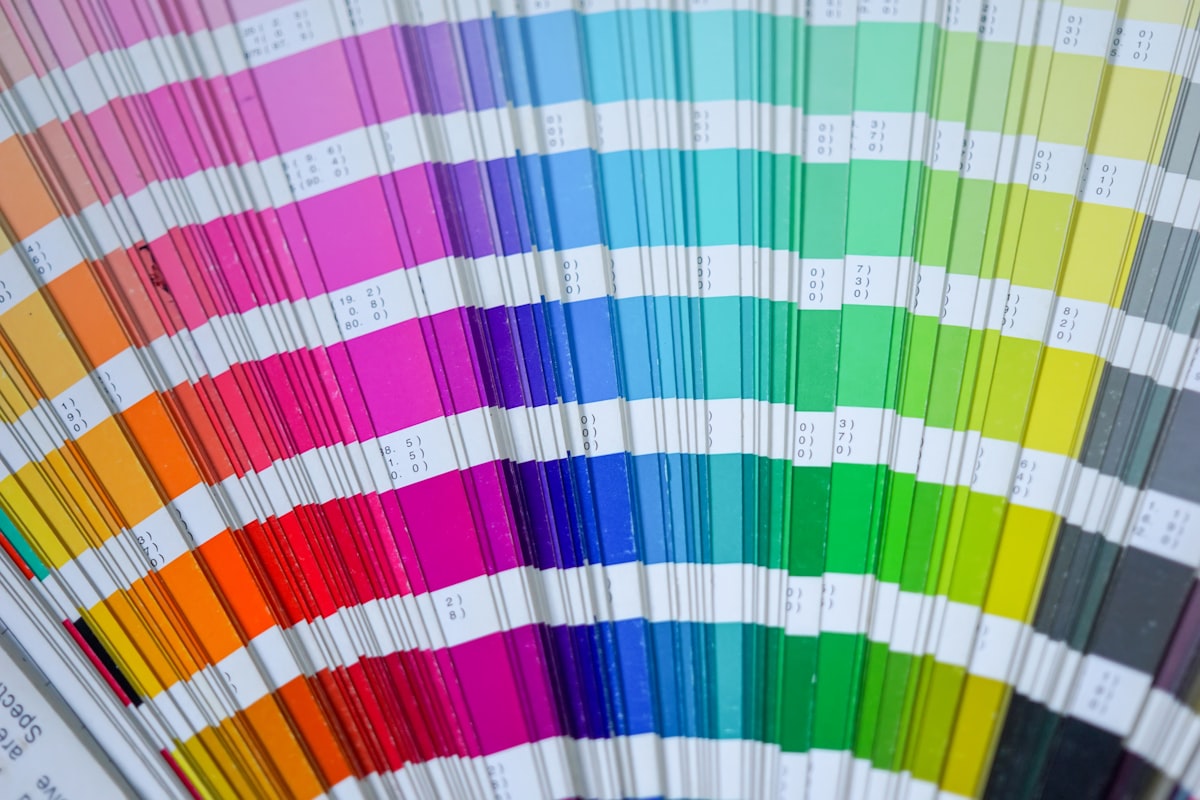
- Color intent declared: PMS spot colors named for brand-critical hues; CMYK builds identified as process
- Barcode at 100% size, dark on light, with quiet zones intact
- Total design colors counted: on flexo, each color is a plate — know your count before you quote
Spot color vs. CMYK — the flexo angle
Flexographic presses print spot colors mixed to PMS formula, which is how brand colors stay perfectly consistent across runs and SKUs. Full-color photography, by contrast, needs a four-color CMYK process build. Many great labels combine both: a photographic element in CMYK plus one PMS brand color, totaling five stations. Design with the station count in mind and you control both fidelity and cost.
What if your art isn't ready?
Send what you have. A competent label supplier includes prepress: dieline creation, bleed correction, barcode generation and verification, and bilingual regulatory panels are normal parts of the job. At GL Labels every quote includes a free artwork review — we'd rather flag an issue before plates are made than after.
Put this into practice
Configure your exact spec — size, material, colors, quantity — and see a budget estimate in about 2 minutes. A specialist confirms final pricing within one business day.